

Advocacy & Action for the Good of Families
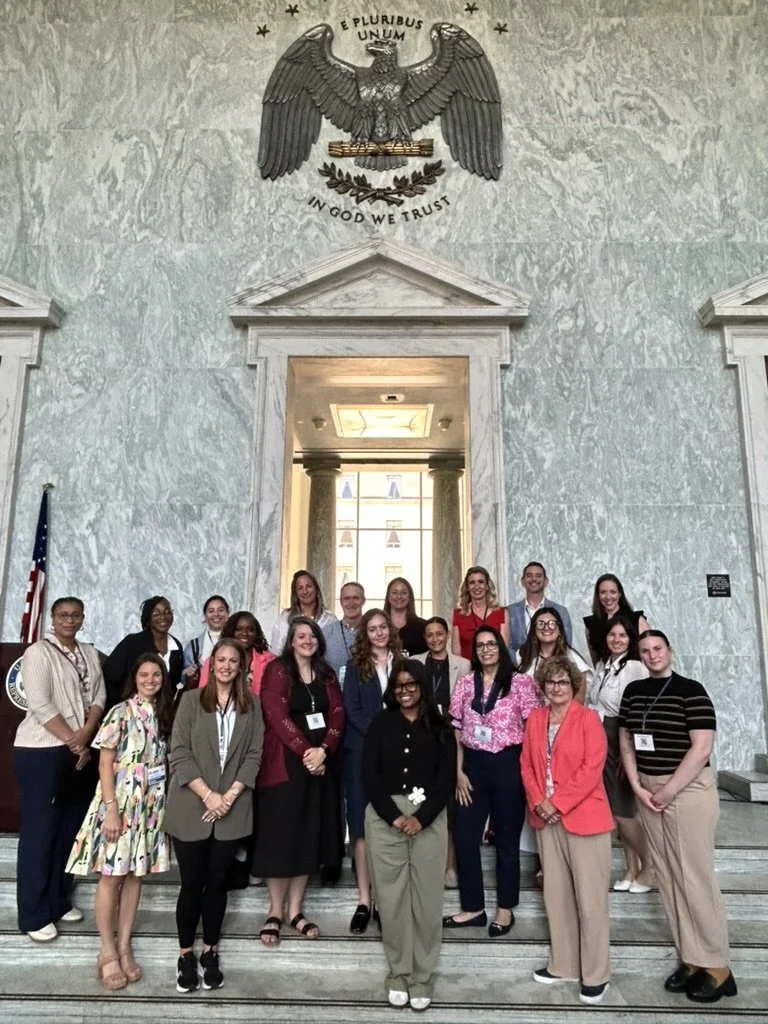
National Advocacy
& Policy Leadership
FFTA Members are well represented nationally through long-standing relationships and on-going collaborations with the White House, Center for Medicare and Medicaid Policy, SAMHSA, HHS, congressional offices and committees of both the House and the Senate, and a broad coalition of national and state child welfare and child advocacy organizations.
Policy endeavors in which we are integrally involved include: legislation for a national definition of treatment family care, child welfare reform, domestic minor sex trafficking, mental health and psychotropic medications for foster youth, relative and kinship care, and community systems-of-care. As with all legislation, various bills and organization rules adhere to a system rife with change and modifications and a system of unpredictable timing and timetables.
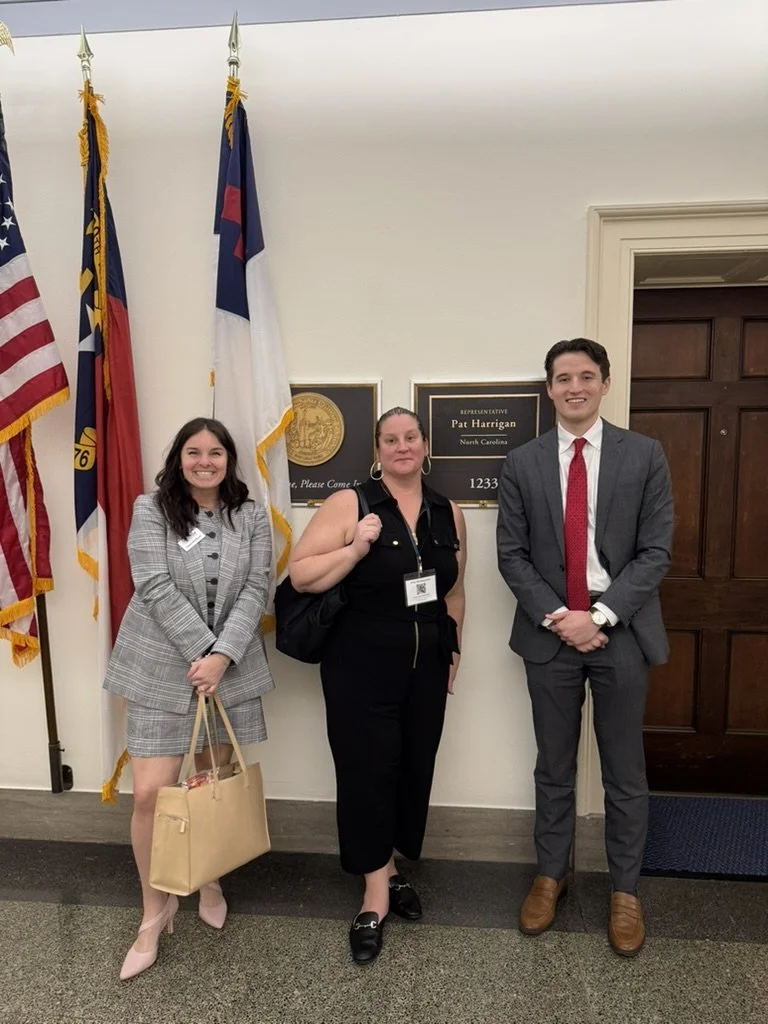

Advocacy, Information,
& State-Level Support
Our commitment is to stay abreast of these proposals and dynamics in order to represent the needs of your organizations and the families you serve and to provide you with information necessary to fulfill your mission of service delivery with your state public human services organizations and legislatures.
We share major policy discussions and pieces of legislation with FFTA Members through our weekly Public Policy Alert emails and online peer-to-peer collaboration platform, FFTAConnect in the Public Policy Collaborative group. We also provide updates regarding the activities of the FFTA Public Policy Committee and the FFTA Liaison Network, a volunteer network of members in each state who are ‘point persons’ between the Public Policy Division and the state. These Liaisons are committed to contacting Congress on crucial issues as needed. In return, FFTA offers support and counsel for challenges facing you, the provider, in your state.
FFTA Policy Priorities
FFTA’s 2026 Public Policy Priorities reflect a continued commitment to strengthening children, families, caregivers, & communities while responding to evolving system pressures and emerging needs across the child and family serving sector. These priorities build on prior policy work and elevate areas where sustained attention and coordinated policy solutions are critical to improving stability, access to services, & long-term outcomes for the good of children and families.

Support for Foster Care & Adoption Services
Strengthening foster care and adoption services is essential to ensuring children have access to safe, stable, and nurturing family-based care. Ongoing placement instability, caregiver shortages, and system capacity challenges underscore the need for focused policy attention and investment.
-
Support policy and funding solutions that strengthen recruitment, retention, and support for foster and adoptive caregivers.
-
Equip members with data, examples, and tools that demonstrate the importance of family-based care and placement stability.
-
Elevate best practices, promising programs, and innovative approaches that strengthen foster care and adoption services across communities.

Support and Services for Older Youth in Care & Youth Exiting Care
Older youth in care and those transitioning to adulthood face heightened risks related to housing instability, limited economic opportunity, and disrupted connections. Strengthening transition supports remains critical to improving long-term outcomes for these young people.
-
Promote policies and practices that prioritize stable, supportive adult relationships for older youth.
-
Support initiatives that strengthen education access, employment readiness, and transitional housing options.
-
Highlight best practices, pilot programs, and creative solutions that address challenges faced by youth exiting care.

Child and Family Economic Stability & Basic Needs
Economic stress and unmet basic needs continue to drive family instability and deeper system involvement. Addressing child poverty, food insecurity, and related economic pressures is essential to prevention and family strengthening efforts.
-
Promote policies that improve access to nutrition programs and other basic needs supports for children, caregivers, and families.
-
Support policy solutions that reduce poverty-related barriers to family stability and well-being.
-
Share data and examples that connect economic stability and basic needs support to improved outcomes for children and families.

Caregiver and Provider Stability and Capacity
Caregivers and providers face increasing pressures related to rising costs, access to services, and operational sustainability. Strengthening caregiver and provider capacity is essential to maintaining a stable and responsive system of care.
-
Promote policies and practices that support kinship and relative caregivers and recognize their critical role in family stability.
-
Elevate policy solutions that respond to operational and financial challenges, including insurance and risk management issues, impacting provider sustainability.
-
Encourage access to mental health, substance use, and family support services that strengthen caregivers, stabilize placements, and support family well-being.


Public Policy
Alerts & Updates
FFTA members receive real-time public policy alerts, advocacy opportunities, and important legislative updates as they happen. Not a member? Explore our monthly Public Policy Recap for a high-level overview of key developments affecting child welfare, behavioral health, and family-serving organizations.


Experience Policy in Action
Join FFTA in Washington, D.C., as we share information and resources to enact real change in our country and our communities.

Public Policy Institute
May 17–18, 2027
Washington, D.C.

Join FFTA to access exclusive resources, networking, and support through FFTA Membership and FFTAConnect.

Featured Webinar Series
We believe public policy isn't limited to a single moment but a year-round commitment. Throughout the year, we work alongside individuals and organizations to:
Understand how national policy shifts may influence their state systems
Identify meaningful entry points to be more involved in state and federal conversations
Support thoughtful collaboration with public partners
Help shape and guide change in ways that strengthen outcomes for children and families
We invite you to deepen your engagement through policy webinars focused on driving policy in action.


Learn, Get Involved, & Shape Public Policy
If you are interested in generating policy-level solutions to issues that impact your ability to provide impactful services, please join the FFTA Public Policy Committee, policy focus groups, attend our policy webinar series, and/or become a State Liaison.