

FFTA Human Services Landscape Study

Understanding the Future of Human Services
The Human Services Landscape Study is a national initiative designed to better understand the challenges, opportunities, and emerging trends shaping the future of organizations that serve children, youth, and families.
FFTA’s Vision & Goal for Human Services
FFTA is committed to strengthening the future of human services by developing a comprehensive national and regional understanding of the factors shaping organizations and communities. Through examining internal organizational conditions alongside external forces—including community needs, workforce and leadership trends, and funding and policy environments—we seek to identify emerging challenges, elevate promising practices, and illuminate strategies that strengthen organizations and improve outcomes for children, youth, and families.
Key Areas of Focus
-
Explore the most pressing issues affecting human service organizations today and identify the trends likely to shape the sector in the years ahead.
-
Examine the internal conditions that influence effectiveness, including workforce development, leadership, governance, staffing, and operational readiness.
-
Assess how policy changes, funding environments, demographic shifts, and community needs impact organizations and service delivery systems.
-
Identify strategies, approaches, and innovations that are producing positive results and may be adapted across regions and communities.
-
Explore opportunities for stronger alignment across organizations, systems, and sectors to maximize impact and reduce duplication.
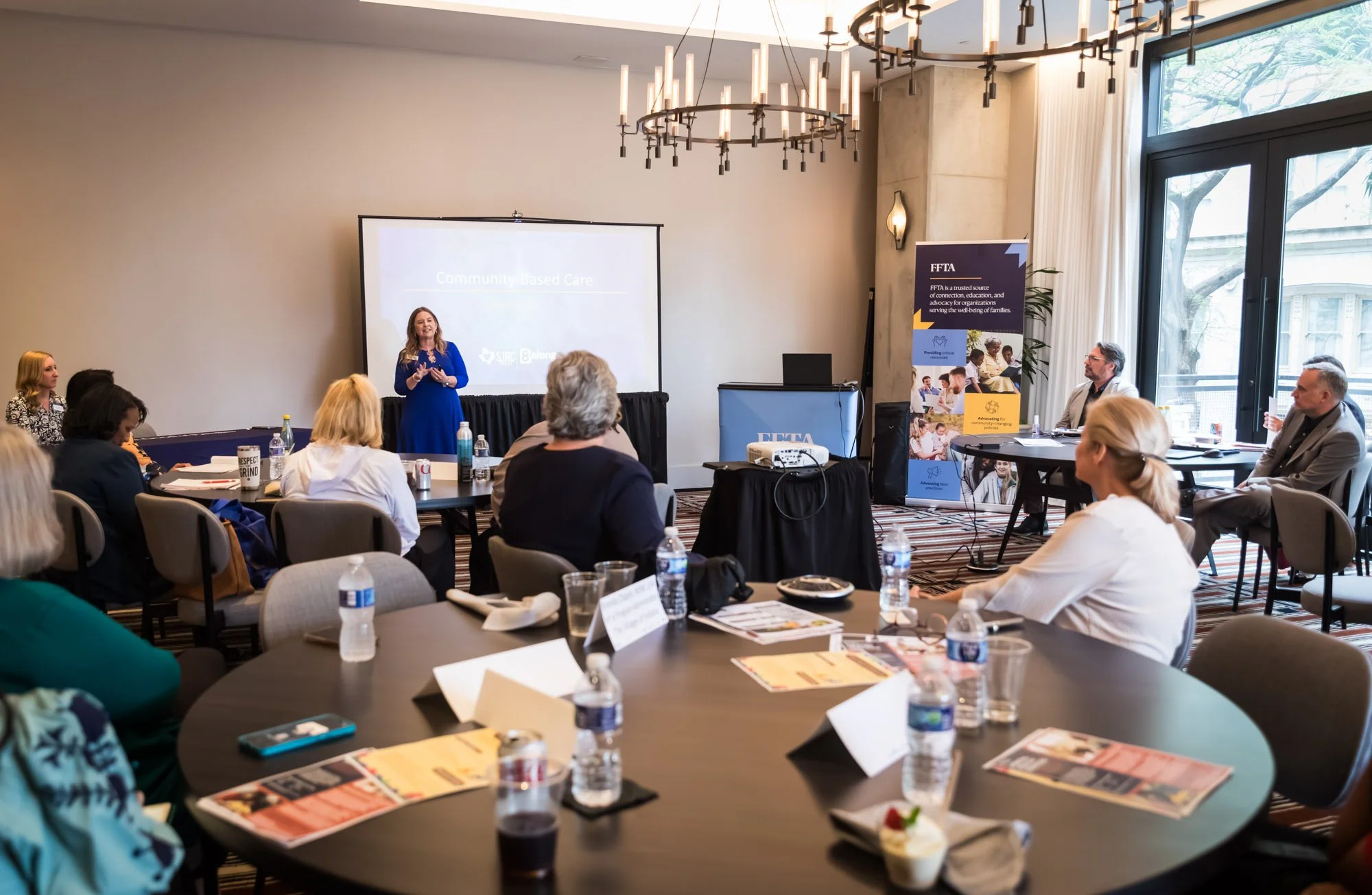
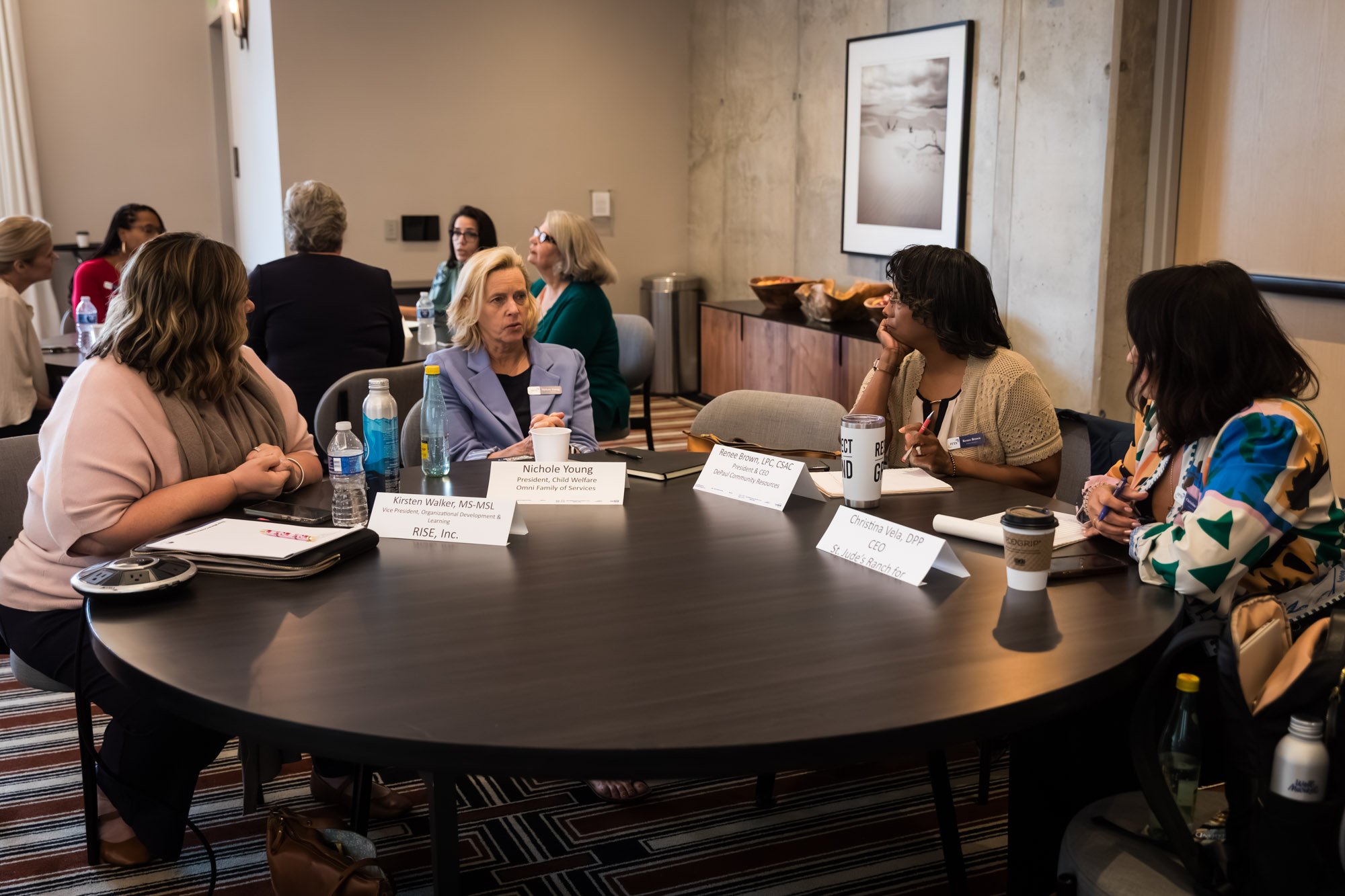
Outcomes and Impact
-
Inform long-term planning and help organizations anticipate emerging challenges and opportunities.
-
Provide data-informed perspectives that can support discussions with policymakers, funders, and community leaders.
-
Strengthen regional and local engagement by identifying trends, needs, and opportunities that can be addressed collaboratively.
-
Create a foundation for ongoing research, environmental scanning, and sector-wide learning.
Research Approach
The study will utilize a mixed-method approach that combines quantitative and qualitative research, including:
Surveys
Interviews
Focus groups
Literature reviews
Environmental scans
Stakeholder engagement sessions
Input will be gathered from a diverse range of voices across the human services ecosystem, including practitioners, organizational leaders, community partners, individuals with lived experience, policymakers, and subject matter experts.

Timeline
Planning and Research Design
Late 2025
Define study priorities, establish research questions, and select research partners.
Research and Stakeholder Engagement
2026
Conduct data collection, environmental scanning, interviews, focus groups, and analysis.
Findings and Recommendations
Late 2026
Develop reports, insights, and recommendations that identify key trends, opportunities, and areas for action.
Application and Knowledge Sharing
2027 and Beyond
Share findings broadly and utilize insights to support planning, engagement, advocacy, and future initiatives.